
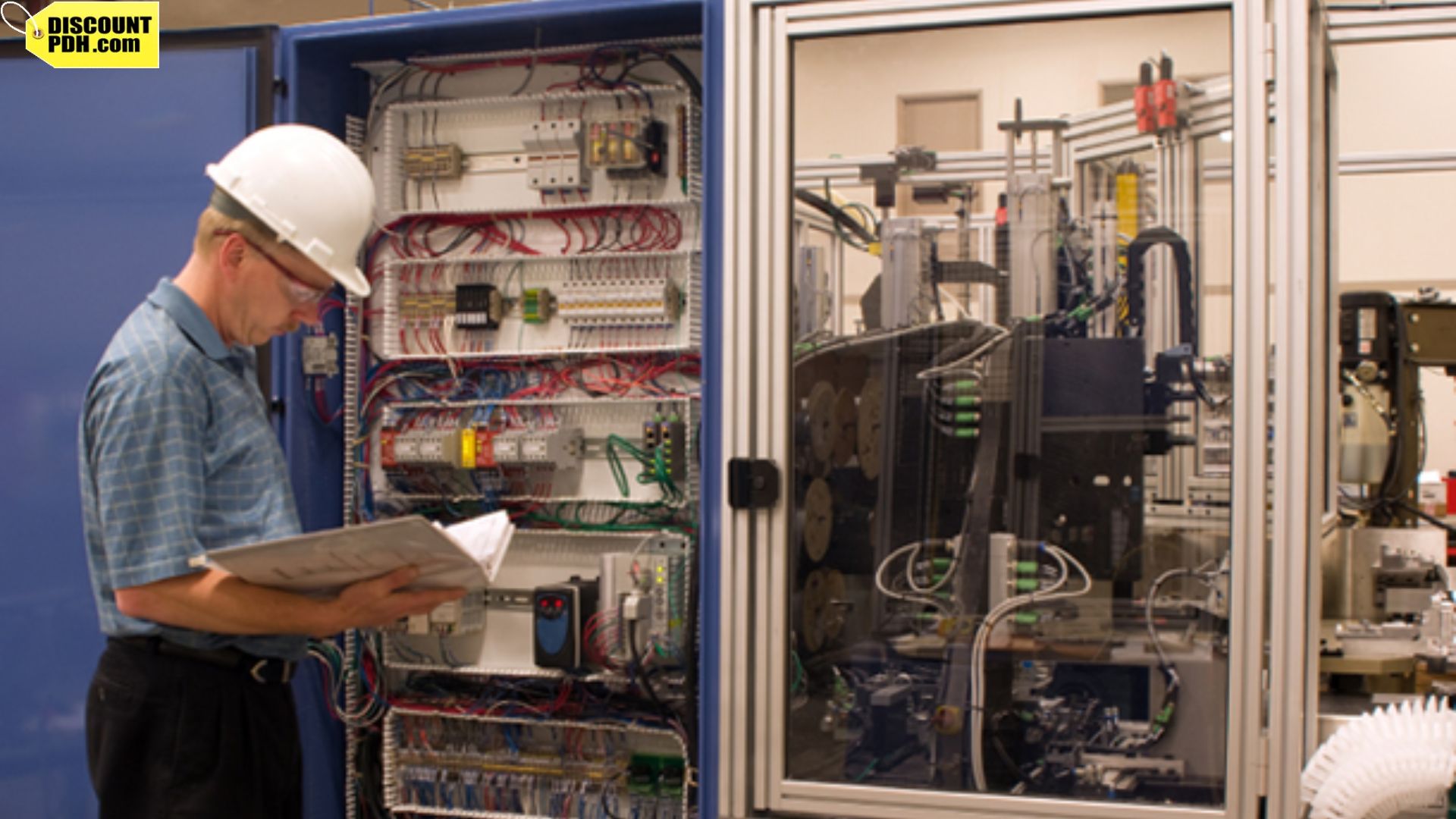
Professional development in power systems, circuit design, and safety protocols offers more than career advancement. Electrical engineering continuing education courses help translate these technical skills into practical knowledge for home repairs, DIY installations, and smarter decision-making when hiring contractors for residential electrical work.
Breaking the Myth About Technical Training
Most people think advanced technical training only benefits those working in industrial settings. That’s wrong. The skills you gain from electrical engineering continuing education courses apply directly to problems you face at home. A circuit breaker trips during dinner. Your outdoor lighting stops working. The garage door opener acts strangely. These common situations become less frustrating when you understand the fundamentals taught in structured learning programs.
Real-World Applications Start at Home
Learning about load calculations helps you avoid overloading circuits during the holiday season. Many homeowners plug multiple devices into a single outlet without realizing the danger.
Professional coursework teaches you to calculate amperage and understand circuit capacity. This knowledge prevents fires and equipment damage. You start noticing warning signs like warm outlets or flickering lights. These indicators become clear signals instead of mysteries.
The same principles apply to energy efficiency. When you understand power factor and voltage drop, you make smarter choices about appliance placement and extension cord use. Your monthly utility bills reflect these informed decisions.
For example, running a high-wattage space heater on a long, thin extension cord wastes energy and creates hazards.
Safety Protocols That Protect Your Family
Grounding concepts seems abstract until you apply them at home. Electrical engineering continuing education courses cover why three-prong plugs matter and how GFCI outlets save lives. This training transforms bathroom and kitchen upgrades from confusing tasks into logical projects. You recognize which areas need specific protection based on moisture exposure and usage patterns.
Lockout-tagout procedures taught in professional settings adapt surprisingly well to home maintenance. Before changing light fixtures or ceiling fans, you learn to shut off power at the breaker and verify it’s off. These simple habits prevent accidents that send thousands to emergency rooms each year. Your family benefits from your disciplined approach to electrical work.
Making Sense of Electrical Codes
Building codes feel overwhelming until you grasp their logic. Continuing education breaks down National Electrical Code requirements into understandable segments. You learn why certain wire gauges work for specific applications. This knowledge guides decisions when adding circuits for workshops or home offices. Instead of guessing, you calculate the proper wire size based on distance and load.
Understanding code requirements also helps during contractor conversations. You ask better questions and recognize when quotes include necessary work versus unnecessary upgrades. This awareness protects your budget while ensuring safe installations. Next time an electrician recommends panel upgrades, you’ll understand the reasoning behind their suggestion.
Troubleshooting Skills for Common Problems
Diagnostic methods taught in technical programs apply directly to household issues. When outlets stop working, you follow logical steps instead of random guessing. Check the breaker first. Test the outlet with a multimeter. Trace the circuit to find the problem. This systematic approach saves time and reduces frustration.
Electrical engineering PDH courses often cover motor controls and automation. These concepts help when smart home devices malfunction or programmable thermostats act erratically. You understand the relationship between controllers, sensors, and power supplies. Troubleshooting becomes methodical rather than mysterious. In addition, you can identify when problems require professional help versus simple resets.
Budget-Friendly Upgrades Using Technical Knowledge
Home improvement projects become more affordable when you handle certain tasks yourself. Installing dimmer switches, replacing outlets, or adding USB charging ports requires a basic understanding of electrical connections. Professional coursework builds this foundation safely. You gain confidence to tackle appropriate projects while knowing your limits.
Lighting upgrades provide excellent practice for applying technical knowledge. Calculating lumens, understanding color temperature, and selecting proper fixtures all relate to concepts covered in continuing education. You create better living spaces while reducing energy consumption. The money saved on simple installations funds more complex projects that truly need licensed contractors.
Selecting and Working With Contractors
Technical knowledge changes how you evaluate electrical contractors. You recognize quality work and spot shortcuts. When someone quotes a panel upgrade, you understand whether their amp calculations make sense for your home’s needs. This prevents both overpaying for unnecessary capacity and underestimating future requirements.
Communication improves dramatically when you speak the same language as professionals. You explain problems clearly using correct terminology. Contractors respect informed homeowners and often provide better service. This relationship builds trust and ensures quality results. For example, describing a neutral wire issue sounds more credible than saying “something’s wrong with the electricity.”
Preventing Costly Mistakes Before They Happen
The most valuable lesson from continuing education might be knowing when to stop. Understanding electrical systems includes recognizing dangerous situations beyond DIY capabilities. Live panel work, service entrance repairs, and complex rewiring require licensed professionals. Your training helps identify these boundaries clearly.
This knowledge prevents expensive mistakes that create more problems than they solve. A homeowner who understands ground fault protection won’t attempt risky workarounds that compromise safety. Instead, they invest in proper solutions from the start. The upfront cost of professional help seems reasonable compared to fixing amateur mistakes.
Building Long-Term Electrical Literacy
Continuous learning keeps your skills current as technology evolves. Solar panel integration, electric vehicle charging, and battery backup systems represent new challenges for residential electrical systems. Ongoing professional development prepares you for these advances. You make informed decisions about adopting new technologies.
Staying current also helps with property maintenance and improvements. Older homes need updates to handle modern electrical demands. Understanding current standards guides these upgrades effectively. You balance preservation of original features with safety requirements and contemporary needs.
Common Questions About Using Electrical Education for Residential Projects
Q1: How do professional development hours relate to home electrical work?
A1: These courses teach fundamental principles applicable to residential systems. Understanding load calculations, safety protocols, and troubleshooting methods helps homeowners maintain their electrical infrastructure effectively and recognize when professional help becomes necessary.
Q2: Can continuing education replace hiring licensed electricians?
A2: No. Professional training supplements your knowledge for minor tasks and informed decision-making. Complex work, permit-required projects, and service panel modifications always need licensed contractors to ensure safety and code compliance.
Q3: What basic skills transfer best from technical courses to home projects?
A3: Circuit analysis, voltage testing, wire sizing, and safety procedures provide the most practical value. These foundational skills help with troubleshooting, planning upgrades, and understanding contractor recommendations for residential electrical improvements.
Q4: How does code knowledge benefit homeowners specifically?
A4: Understanding electrical codes prevents violations during DIY projects and helps evaluate contractor work quality. You recognize proper installation methods, necessary permits, and safety requirements that protect your home’s value and your family’s wellbeing.
Q5: Are online professional development programs effective for practical learning?
A5: Yes. Quality online courses combine theory with real-world examples and case studies. Interactive elements and visual demonstrations translate complex concepts into understandable applications for residential and commercial electrical systems alike.
Q6: What safety concepts matter most for homeowners?
A6: Grounding systems, GFCI protection, proper wire sizing, and circuit capacity calculations rank highest. These concepts prevent fires, electrocution, and equipment damage. Applying them correctly during home projects protects property and lives.
Q7: How often should homeowners refresh their electrical knowledge?
A7: Reviewing fundamentals every few years keeps pace with code updates and new technologies. Smart home devices, energy storage systems, and electric vehicle charging require an updated understanding to integrate safely into existing electrical infrastructure.
Your Next Step in Electrical Knowledge
Professional development shouldn’t end with career requirements. The practical applications extend into every aspect of home ownership and maintenance. DiscountPDH understands that technical education serves multiple purposes.
Our Electrical Engineering PDH courses provide the foundation you need for both professional growth and personal projects. We offer comprehensive training that builds real-world skills applicable to everyday challenges.
The investment in your education pays dividends through safer homes, lower maintenance costs, and confident decision-making. Start building your electrical literacy today with Electrical Engineering PDH courses designed for practical application and lasting value.