
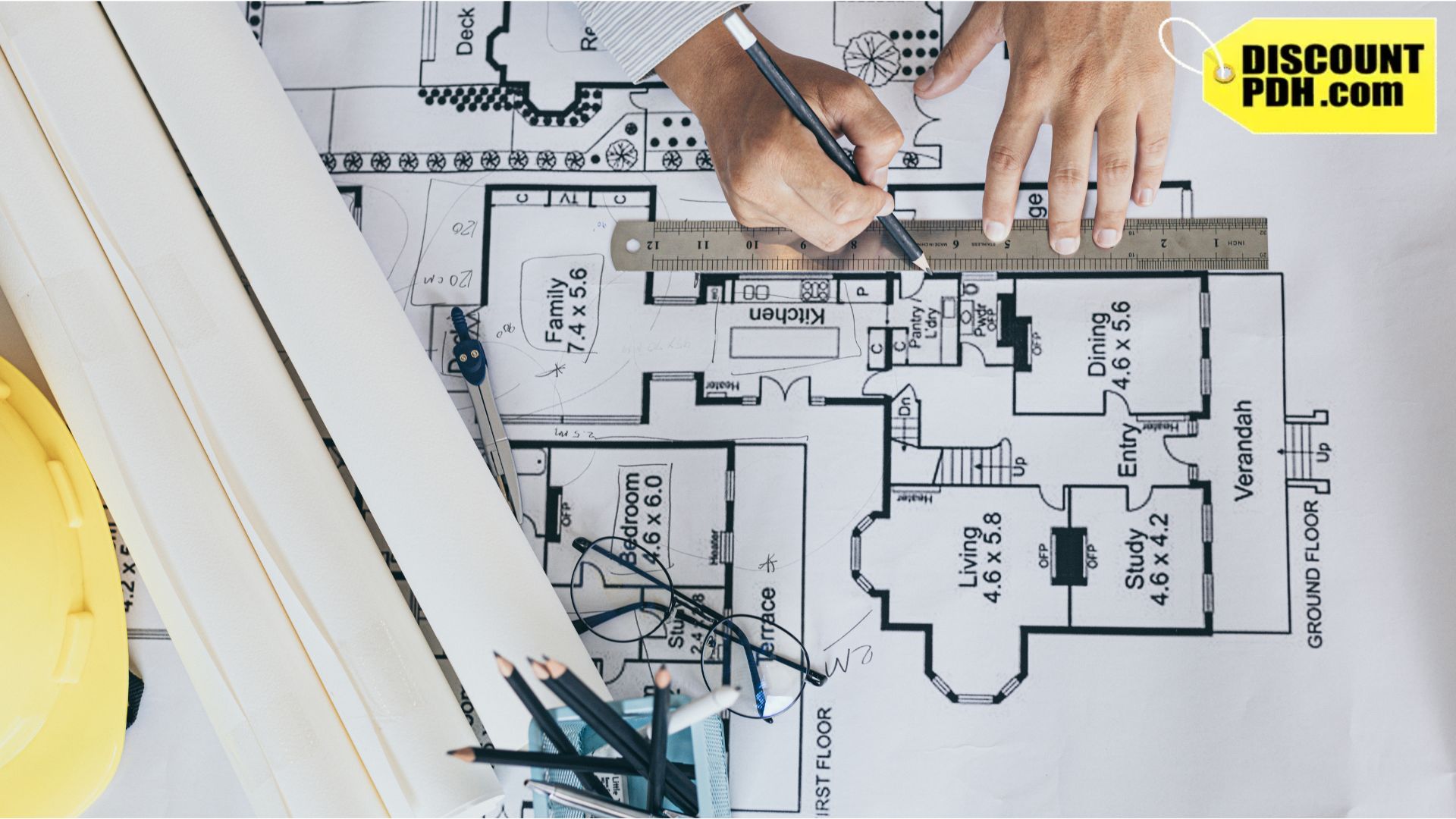
Building envelope performance directly impacts energy efficiency, moisture control, and long-term durability. Architects strengthen their technical knowledge through architect continuing education courses focused on facade systems, waterproofing details, thermal performance, and code compliance.
Reducing Callbacks Through Targeted Architecture PDH Courses
More than 70 percent of building failures trace back to envelope issues, not structure. Targeted architecture PDH courses help design professionals reduce callbacks, improve coordination, and protect public health, safety, and welfare in modern construction projects.
Exterior walls and roofs do more than define aesthetics. They control air, water, vapor, and heat movement. When these systems fail, the consequences show up quickly as leaks, mold, and occupant discomfort. Many firms rely on structured architect continuing education courses to keep teams current on envelope science and detailing practices.
Building envelope design requires coordination between architecture, structural systems, and mechanical design. Poor flashing transitions or thermal bridging can undermine an otherwise strong concept. Updated training improves detailing clarity and reduces field conflicts during construction.
Why Building Envelope Knowledge Impacts Every Project
Every climate zone presents different performance demands. Cold regions require vapor control strategies to prevent condensation inside wall cavities. Hot and humid climates demand attention to air barriers and moisture migration. Architects must understand these regional variables to deliver reliable performance.
Energy codes continue to tighten. The International Energy Conservation Code sets insulation and glazing standards that affect facade design. Continuing education reviews U-value calculations, continuous insulation requirements, and air leakage testing protocols. A clear understanding of these rules prevents costly redesign.
Moisture Management and Waterproofing Fundamentals
Water intrusion remains one of the most common causes of envelope failure. Proper flashing, drainage planes, and membrane transitions protect interior finishes and structural components. Small gaps at window heads or parapet caps can allow water entry.
High-value learning modules often include:
- Wall assembly layering and drainage cavity design
• Roof membrane selection and slope requirements
• Window integration with air barrier systems
• Sealant joint design and maintenance planning
Training in architecture PDH courses reinforces these fundamentals through case studies and field examples. Architects see how overlooked details lead to litigation and repair costs.
Thermal Performance and Energy Efficiency
Energy performance now influences building value and operating cost. Thermal bridging at slab edges or steel penetrations can reduce overall insulation performance. Architects must calculate effective R-values, not just nominal insulation ratings.
Continuing education explains how to model thermal performance and coordinate insulation continuity across wall assemblies. Designers learn to specify materials that meet climate zone requirements while supporting aesthetic goals. Improved knowledge leads to balanced design decisions that support sustainability targets.
Air Barrier Systems and Indoor Air Quality
Air leakage affects occupant comfort and HVAC efficiency. Continuous air barrier systems reduce uncontrolled infiltration and exfiltration. Architects must coordinate transitions at roof-to-wall connections and around penetrations.
Education programs review blower door testing, air barrier materials, and inspection procedures. Clear documentation of air barrier continuity supports compliance with building codes and energy performance standards. Better coordination reduces construction disputes.
Facade Materials and Long-Term Durability
Material selection impacts performance over decades. Brick veneer, metal panels, curtain wall systems, and fiber cement each carry unique detailing requirements. Incorrect anchorage or joint spacing can create movement-related cracks.
Architecture PDH courses often explore facade attachment systems, expansion joint spacing, and differential movement considerations. Architects strengthen their understanding of structural coordination and long-term maintenance implications.
Coordination Between Disciplines
Envelope performance depends on teamwork. Structural engineers design support systems for cladding. Mechanical engineers route ducts and vents through exterior walls. Clear communication reduces conflicts and penetrations that compromise air and water control layers.
Continuing education reviews interdisciplinary coordination strategies. Architects learn how to integrate envelope details early in schematic design. Early planning reduces change orders and field modifications.
Common Envelope Design Mistakes
Many envelope issues stem from documentation gaps. Vague details, conflicting specifications, and inconsistent notes create confusion for contractors during bidding and construction. When critical transitions are not clearly illustrated, field teams are forced to interpret intent, increasing the risk of installation errors. Clear, coordinated drawing sets significantly reduce misinterpretation and help maintain design performance objectives throughout construction.
Frequent design issues include:
- Incomplete flashing details
• Discontinuous insulation layers
• Poorly coordinated roof drains
• Missing control joints
Architect continuing education courses analyze these recurring mistakes using real project examples and forensic case studies. Through structured training, architects refine drawing standards, strengthen interdisciplinary coordination, and improve internal quality control processes to prevent costly envelope failures.
Code Compliance and Health, Safety, Welfare
Envelope design directly affects occupant safety. Fire-rated wall assemblies, smoke control barriers, and exterior wall combustibility restrictions require careful attention. Architects must interpret building code provisions accurately.
Continuing education reinforces code interpretation skills and life safety considerations. Architects review fire separation requirements and exterior wall rating standards. Knowledge of these rules protects public welfare and reduces liability exposure.
Sustainable Envelope Strategies
Sustainability goals influence material choices and performance benchmarks. Green building programs encourage high-performance glazing and daylight optimization. Architects balance energy efficiency with occupant comfort.
Education modules often address solar heat gain coefficient selection, shading devices, and high-performance facade systems. These strategies reduce operational energy consumption and support long-term environmental responsibility.
Digital Tools and Building Information Modeling Integration
Modern envelope design relies on BIM coordination. Three-dimensional modeling helps visualize transitions and detect clashes. Architects can simulate thermal performance and daylight penetration.
Training supports effective BIM workflows and digital detailing methods. Clear digital documentation improves coordination and reduces field errors.
FAQs: Building Envelope Continuing Education
Q1: Why are architect continuing education courses important for envelope design?
A1: These courses reinforce knowledge of moisture control, air barriers, thermal performance, and code compliance, helping architects reduce envelope failures, prevent costly repairs, and improve long-term building durability.
Q2: What topics do architecture PDH courses cover in facade design?
A2: Courses address flashing details, insulation continuity, curtain wall systems, vapor barriers, drainage planes, and structural coordination to improve exterior wall performance and prevent water intrusion.
Q3: How does envelope education reduce construction disputes?
A3: Clear detailing and better understanding of material transitions reduce ambiguity, limit field errors, minimize change orders, and strengthen communication between architects, consultants, and contractors.
Q4: Are energy code updates included in envelope training?
A4: Yes. Programs often review insulation standards, glazing performance metrics, air leakage requirements, and compliance documentation aligned with current energy conservation codes and sustainability goals.
Q5: How do air barrier systems affect indoor comfort?
A5: Continuous air barriers reduce drafts, control moisture movement, improve HVAC efficiency, stabilize indoor temperatures, and create healthier, more comfortable environments for building occupants.
Q6: What are common causes of building envelope failure?
A6: Incomplete flashing, poor sealant detailing, thermal bridging, improper material integration, and lack of drainage planning often lead to leaks, mold growth, and long-term structural damage.
Q7: Do envelope-focused PDH courses support license renewal?
A7: Most state boards accept structured continuing education that addresses health, safety, and welfare topics, allowing architects to meet renewal requirements while strengthening technical expertise.
Q8: How often should architects update envelope knowledge?
A8: Architects should review envelope strategies regularly as codes evolve, materials improve, climate resilience standards change, and new performance technologies enter the market.
Strengthen Your Envelope Expertise Today
Strong envelope knowledge protects buildings and professional reputations. We at Discount PDH provide structured learning designed for real-world architectural challenges. Our architecture PDH courses align with health, safety, and welfare standards while supporting flexible online access. Simply, when design teams invest in practical education, detailing improves, coordination strengthens, and project outcomes become more reliable.