
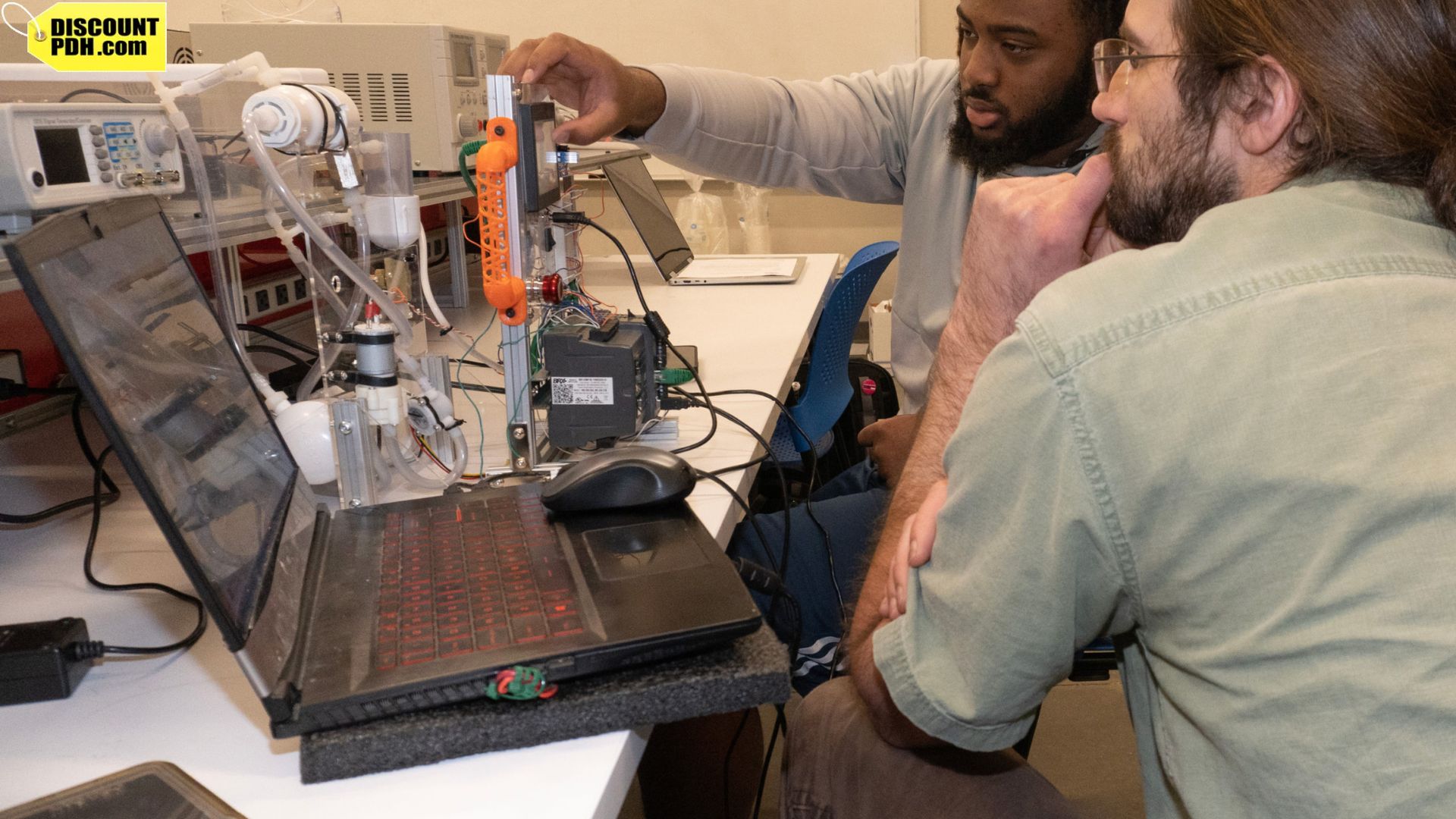
Electrical engineers seeking practical skills can benefit from electrical engineering continuing education courses that directly impact real projects. These courses provide relevant knowledge, help meet licensure requirements, and enhance professional credibility while tackling real-world engineering challenges.
Why Real-World Skills Matter
Electrical engineering is constantly evolving, and staying current is not optional. Engineers often face challenges on-site that textbooks and classroom learning don’t cover. Practical electrical engineering PDH courses equip professionals with applicable techniques, updated codes, and project-specific insights that improve decision-making and efficiency.
Real-world training ensures engineers can handle unexpected technical issues confidently, whether it’s designing a new power distribution system or troubleshooting an existing industrial setup.
In many cases, engineers who complete practical PDH courses report faster problem resolution on projects and improved communication with contractors. These courses focus on real project examples, allowing professionals to see how theory translates into actionable solutions.
Short Courses for Immediate Impact
Short online courses have gained popularity because they allow engineers to learn in under an hour while on tight schedules. These courses often focus on key project applications such as:
- Circuit analysis for industrial installations
- Electrical safety updates
- Power system troubleshooting
- Energy efficiency practices
By integrating these skills directly into daily work, engineers can apply concepts immediately, reducing errors and project delays. Short courses also offer the flexibility to review lessons multiple times, which reinforces learning and builds confidence when tackling complex projects.
Code Updates and Compliance Training
Electrical projects must adhere to the latest national and local codes. A small oversight can lead to fines, project delays, or even safety hazards. Electrical engineering continuing education courses often include updates on NEC regulations, OSHA standards, and inspection procedures. Understanding these ensures engineers meet legal requirements and maintain workplace safety.
Staying updated with codes is crucial for engineers managing new installations, retrofitting older systems, or coordinating with city inspectors. Knowledge of code changes allows engineers to anticipate potential compliance issues, saving time and reducing the risk of costly rework.
Specialized Training for Niche Projects
Some projects require deep knowledge in specific areas. Courses focused on renewable energy systems, industrial automation, or advanced wiring techniques provide hands-on insights. Engineers working on these projects find practical examples invaluable, as they often deal with unusual configurations or client-specific requirements. Practical lessons improve both speed and quality of work.
For example, engineers installing solar power systems need knowledge of both electrical design and environmental considerations. Similarly, automation projects require familiarity with programmable logic controllers and motor control systems. Specialized courses ensure engineers are ready to handle these challenges effectively.
Cost-Effective Learning Options
Online platforms offer affordable electrical engineering PDH courses. Engineers can complete multiple courses at a fraction of the cost of traditional seminars. Cost-effectiveness doesn’t compromise quality, as many courses include real project case studies, exercises, and downloadable resources. Investing time in these courses saves money in project troubleshooting and rework.
In addition, companies can train multiple engineers using online PDH courses without worrying about travel or lodging expenses. Teams can maintain skill consistency across multiple projects, which improves overall performance and client satisfaction.
Interactive Elements Enhance Retention
Courses with quizzes, simulations, and real-world problem sets boost retention. Engineers can practice calculations, design layouts, and safety protocols. Engaging methods make learning less theoretical and more applicable. Next, professionals can confidently apply what they learned without second-guessing or frequent reference checks.
Interactive elements also encourage engineers to explore different approaches to problem-solving. For instance, simulating a short circuit scenario or testing a load calculation helps engineers understand potential risks and mitigation strategies before encountering them in actual projects.
Integration Into Daily Workflow
Practical courses allow engineers to integrate lessons seamlessly. Understanding transformer sizing, motor control updates, or energy-efficient design techniques can immediately influence project planning and budgeting. Applying knowledge in real-time reduces costly mistakes and improves overall efficiency. Engineers notice tangible benefits within days after completing focused PDH courses.
Moreover, engineers can share insights from courses with team members, creating a collaborative learning environment. This enhances team efficiency and ensures consistent project execution standards.
Time Management Benefits
Online PDH courses let engineers study without leaving the office. This flexibility supports busy schedules while maintaining licensure compliance. Engineers can spread learning over several weeks, ensuring content is absorbed and applied correctly. Efficient time management directly translates to better project execution and fewer delays.
By managing learning in small, focused segments, engineers can revisit sections when needed, apply lessons on ongoing projects, and avoid overwhelming schedules. This approach improves retention and enhances overall productivity.
Why Continuing Education is Essential
Engineering standards and technologies evolve rapidly. Completing electrical engineering PDH courses keeps professionals competitive and credible. Employers recognize engineers who stay updated on industry trends, safety protocols, and new tools. Continuing education is not just compliance; it’s a strategic move to enhance career growth and project success.
Ongoing education demonstrates initiative and readiness to handle new challenges. Engineers who stay updated can take on leadership roles, contribute to innovative solutions, and improve project outcomes. This creates long-term career stability and professional growth.
How DiscountPDH Supports Engineers
We at DiscountPDH provide a curated selection of practical PDH courses for electrical engineers. Our platform offers easy access, flexible scheduling, and project-oriented lessons. Engineers gain actionable insights that directly influence daily tasks and long-term career advancement. Courses cover a wide range of topics, including power distribution, renewable energy, industrial automation, and safety compliance.
We make completing PDH requirements simple, affordable, and applicable, ensuring engineers enhance skills that impact real-world projects.
FAQs: Answered Streamlined Continuing Education for Engineers
Q1: Are these courses recognized for PE licensure?
A1: Yes, all our courses fully comply with state licensing requirements. Credits are accepted by boards for electrical engineers, ensuring professionals meet continuing education obligations without complications or delays.
Q2: Can engineers apply lessons immediately?
A2: Absolutely. Every course is designed around practical, real-world scenarios. Engineers gain actionable techniques and insights they can implement immediately in ongoing projects, improving efficiency, safety, and project outcomes.
Q3: How long does a typical course take?
A3: Most courses are concise, lasting between 30 minutes and one hour. This format suits busy professionals, allowing completion during breaks or short periods without interrupting project responsibilities.
Q4: Are there courses for niche areas?
A4: Yes, we provide specialized courses covering emerging and advanced areas, including renewable energy systems, industrial automation, smart grids, and complex electrical system design, catering to engineers seeking expertise in niche fields.
Q5: Do courses include updates on safety standards?
A5: Absolutely. All courses integrate the latest NEC codes, OSHA regulations, and industry-specific safety standards. Engineers stay informed about compliance requirements and reduce risk in daily electrical engineering tasks.
Q6: Is online learning effective for practical skills?
A6: Yes, courses include interactive exercises, realistic simulations, and case studies. This hands-on approach ensures engineers can confidently apply learned concepts directly to projects in practical, real-world scenarios.
Q7: Are courses cost-effective for small firms?
A7: Definitely. Online courses eliminate travel and seminar expenses while offering the same practical insights. Small firms can train employees efficiently without burdening budgets, saving both time and money.
Q8: How do I track completed courses?
A8: DiscountPDH provides automated progress tracking and digital certificates. Engineers can easily maintain professional records, verify completed courses, and ensure compliance with licensure requirements without manual documentation or administrative hassle.
Electrical engineering PDH courses: Apply Skills That Matter Today
Engineers who invest in practical PDH courses notice improved efficiency, compliance, and project outcomes. We at DiscountPDH make it simple to access high-quality electrical engineering PDH courses, ensuring skills remain relevant and immediately applicable. Start enhancing your projects and career growth by completing courses that matter now.