

Common Sources of Error in Near-Surface Geophysical Surveys
July 14, 2026
Ground-penetrating radar and resistivity surveys look precise on paper, yet small mistakes in the field can throw off an entire dataset. Geologists and site contractors who understand these pitfalls save time, money, and credibility. This piece walks through the biggest error sources in shallow subsurface work, a useful refresher for anyone browsing geology continuing education […]
Read MoreHVAC Load Calculations Under Florida’s Energy Code: A Continuing Education Gap Worth Closing
July 11, 2026
Florida’s energy code keeps tightening its grip on mechanical design, yet HVAC load calculations rarely get the continuing education attention they actually deserve. This post breaks down where the real gaps sit and how the right Florida engineering continuing education courses can close them before your next renewal cycle. The Foundation of Every HVAC Design […]
Read More
The Difference Between Stability, Strength, and Stiffness in Real Structures
July 7, 2026
Stability, strength, and stiffness sound alike, but they control different failure modes in every structure you’ll ever design. Confusing them costs money and safety margins. This blog breaks down each term with real examples, so engineers reviewing engineering continuing education courses understand why a beam can be strong yet still fail to stay stable under […]
Read More
Flood Resilience Design Topics Worth Adding to Your PDH Plan
July 3, 2026
Flood resilience keeps climbing the priority list for environmental engineers, especially as extreme weather reshapes infrastructure planning across the country. This piece walks through the flood-related coursework worth adding to your environmental engineering continuing education plan this renewal cycle, and why it matters beyond just meeting your hour count. Flood Resilience Is No Longer an […]
Read More
Offshore and Hydrographic Surveying PDH Courses: What They Cover and Who Needs Them
June 27, 2026
Hydrographic surveying is one of the most technical branches of land surveying, yet many professionals overlook the continuing education it demands. From acoustic depth systems to offshore positioning, these courses cover skills that directly affect project safety and data accuracy. For surveyors working near water or in coastal infrastructure, keeping up with the right land […]
Read More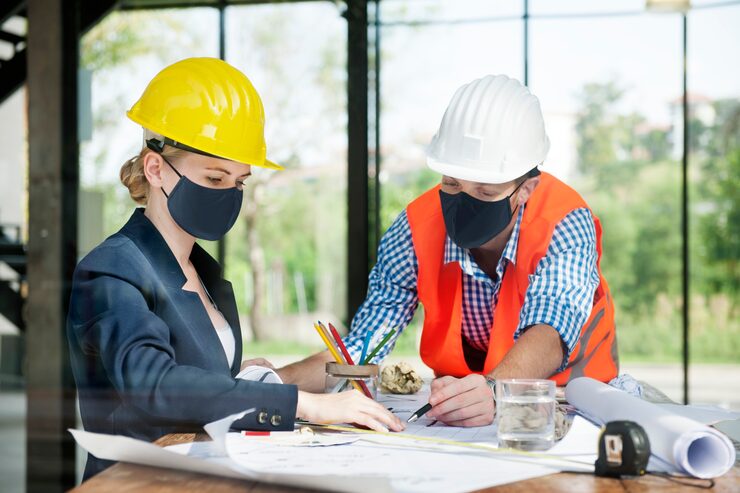
Traffic Impact Analysis: What It Covers and How Civil Engineers Use It
June 23, 2026
Every new development, from a shopping center to a hospital, changes how traffic moves around it. Civil engineers use traffic impact analysis to measure those changes before construction begins. Through civil engineering continuing education courses online, engineers can better understand how to apply this process accurately, keep projects on track, and satisfy municipal review requirements. […]
Read More
Managing Liability in Structural Engineering: Contracts, Scope, and Documentation
June 19, 2026
Liability claims are one of the biggest professional risks structural engineers face. A poorly worded contract or a gap in project documentation can turn a small dispute into a costly legal battle. Engineers who take structural engineering continuing education courses are better equipped to recognize these risks before they become problems. Why Liability Is a […]
Read More
HVAC Design for High-Rise Buildings: Unique Challenges and Code Considerations
June 16, 2026
High-rise buildings push HVAC systems to their limits. From stack effect pressure swings to complex zoning requirements, designing climate control for tall structures is a different game entirely. Engineers actively working on these projects need a firm grip on both the physics involved and the codes that govern them. And taking HVAC continuing education courses […]
Read More
Soil Mechanics Fundamentals Every Practicing Geologist Should Revisit
June 13, 2026
Soil mechanics is one of those foundational topics that never really goes out of date, but the way it applies to real projects keeps changing. Geologists who stay sharp on core principles tend to catch problems earlier, communicate better with engineers, and make smarter decisions in the field. Revisiting these fundamentals is not about starting […]
Read More
Who Needs the Florida Advanced Building Code Course? A Simple Answer
June 10, 2026
Florida has specific continuing education rules for licensed professional engineers, and one requirement catches many PE holders off guard: the advanced building code hour. If your work touches buildings covered by the Florida Building Code, this course is not optional. Knowing who needs it can save you from a compliance problem at renewal time. This […]
Read More